Invited Speakers
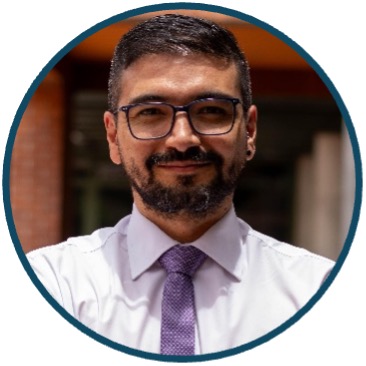
DAVID AGUILLON, MD, PHD
Dr. Aguillón is the Director of the Neurosciences Group of Antioquia and a professor at the University of Antioquia in Medellín, Colombia. His research focuses on Alzheimer’s disease, particularly autosomal dominant Alzheimer’s disease, biomarkers, prevention, and the translation of scientific evidence into clinical and community settings. He leads and collaborates on national and international initiatives aimed at advancing early detection, understanding protective factors, and developing strategies to reduce the risk of cognitive decline and dementia.
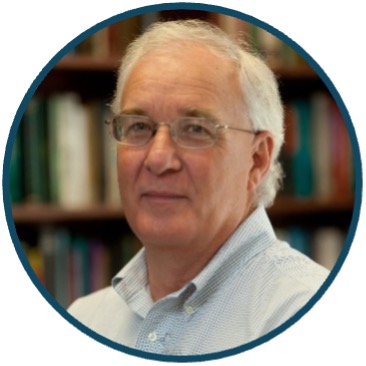
DAVID SALMON, PHD
Dr. Salmon is Distinguished Professor of Neurosciences and holds the Helen A. Jarrett Chair for Alzheimer’s Disease Research at UC San Diego. He is Associate Director of the UCSD Shiley-Marcos Alzheimer’s Disease Research Center (ADRC). Dr. Salmon has widely recognized expertise in the neuropsychological assessment of Alzheimer’s disease and related neurodegenerative disorders, design and implementation of psychological and cognitive tests, and design and conduct of Alzheimer’s disease clinical trials. He has also conducted extensive cross-cultural research on the prevalence and neuropsychological features of dementia. Dr. Salmon has published over 350 journal articles and served on the editorial boards of the Annual Review of Clinical Neuropsychology, The Journal of the International Neuropsychological Society, Neuropsychology, and The Journal of Clinical and Experimental Neuropsychology. He served on the task force that developed the cognitive test battery for the NACC Uniform Data Set, and contributed to the design of the cognitive test battery used in the Alzheimer’s Disease Neuroimaging Initiative (ADNI).

DORIS MOLINA-HENRY, PHD
Dr. Molina-Henry is a neurobiologist and Associate Professor of Research Neurology at the Keck School of Medicine of USC. She is a faculty member at the Alzheimer’s Therapeutic Research Institute (ATRI) and co-Associate Lead of the Recruitment, Engagement, and Retention Unit of the NIA-funded Alzheimer’s Clinical Trials Consortium (ACTC). Her research seeks to improve the design, reach, and scientific value of Alzheimer’s disease clinical trials. She studies variation in biomarker-driven screening and enrollment, representation of populations at elevated risk, and the contribution of co-occurring pathological and health-related processes to cognitive impairment and disease progression. Her work increasingly leverages clinical trial screening populations and longitudinal biomarker data to understand early disease trajectories and inform future prevention trials. Dr. Molina-Henry is a multiple principal investigator of the Alzheimer’s Plasma Extension (APEX) Study, a longitudinal investigation of plasma biomarkers, cognition, function, and neuroimaging among individuals screened for—but not randomized to—preclinical anti-amyloid trials. APEX seeks to characterize early biomarker and cognitive trajectories and identify factors associated with subsequent disease progression and cognitive decline.
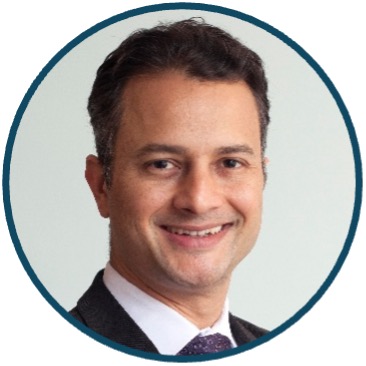
FELIPE JAIN, MD
Dr. Jain is Director of Healthy Aging Studies in the Depression Clinical Research Program at Massachusetts General Hospital, Assistant Professor of Psychiatry at Harvard Medical School, and faculty of the Harvard-Massachusetts Institute of Technology Health Sciences and Technology program. Dr. Jain graduated from Harvard Medical School and the Harvard-MIT Division of Health Sciences and Technology with honors in a special field. He completed psychiatry residency training and postdoctoral fellowship in psychobiology at the UCLA Semel Institute for Neuroscience and Resnick Neuropsychiatric Hospital. His research focuses on guided imagery and mindfulness skills for the treatment of depression and anxiety in family caregivers, and biomarkers including from digital phenotypes and neuroimaging that may be used to personalize treatment. Dr. Jain is a recipient of the prestigious Paul B. Beeson K76 Emerging Leaders in Aging Research Career Development Award from the National Institute on Aging.
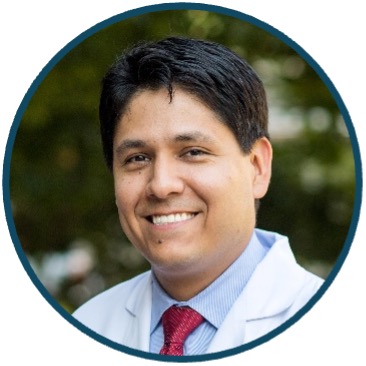
HUGO APARICIO, MD, MPH
Dr. Aparicio is Associate Professor of Neurology at Boston University Chobanian & Avedisian School of Medicine and a vascular neurologist at Boston Medical Center. A clinician-scientist and Framingham Heart Study investigator, he studies the long-term, progressive consequences of cerebrovascular disease and stroke with emphasis on cognitive decline, dementia, and depression. His research emphasizes life-course vascular risk factors, neuroimaging and blood-based biomarkers, and psychosocial determinants of brain health, including disparities by race and sex. He serves as Chair for the American Heart Association’s Brain Health Science Committee and is supported by grants from the NIH. He is core faculty for the Boston University Alzheimer’s Disease Research Center (BU ADRC) and Center for Brain Recovery (BU CBR).

IVONNE Z. JIMENEZ–VELAZQUEZ, MD
Dr. Jimenez-Velazquez completed her medical degree at the University of Puerto Rico (UPR), followed by training in Internal Medicine at the University Hospital of Puerto Rico and a fellowship in Geriatrics at Mount Sinai Hospital in New York. She is board certified in Internal Medicine and Geriatrics. Dr. Jiménez-Velázquez has made significant contributions to geriatric medicine in Puerto Rico, including developing the Geriatric Medicine Fellowship Program, establishing the Geriatrics Unit at Carolina Hospital, and founding the Geriatric Research Center. She has served as Chair of the Department of Medicine at the UPR Medical Sciences Campus since 2011 and as Interim Dean of the School of Medicine in 2022. Her research focuses on Alzheimer’s disease and dementia. She leads and participates in several major studies, including the EOAD Family Study with Columbia University, the 10/66 dementia prevalence study in Puerto Rico, DIAN-TU, CADAS, RAND, and FINGERS-PR, as well as clinical trials of monoclonal antibody therapies for Alzheimer’s disease. She is also a dedicated research mentor and has received multiple awards recognizing her contributions to research, geriatrics, and the care of older adults.
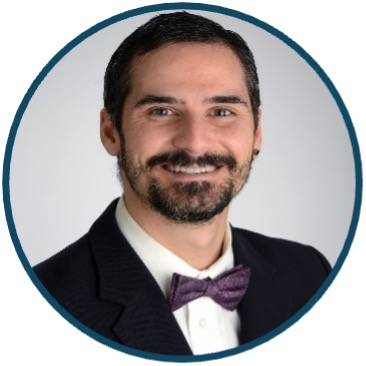
JAIME PERALES PUCHALT, PHD, MPH
Dr. Perales Puchalt is an Associate Professor at the University of Kansas Alzheimer’s Disease Research Center. His background is in psychology and public health. In addition to conducting research in Spain, England and the United States, Perales Puchalt has collaborated with teams from other countries in the European Union and the Americas. With a primary focus on reducing Latino dementia disparities, his research has led to the development of a dementia educational/recruitment tool for Latinos. He has also studied the risk of dementia and mild cognitive impairment among sexual and ethnoracial minorities. He currently leads federally funded grants to understand and reduce disparities in dementia care among Latinos. One of those grants includes the first text message caregiver support program for Latino family caregivers (CuidaTEXT).
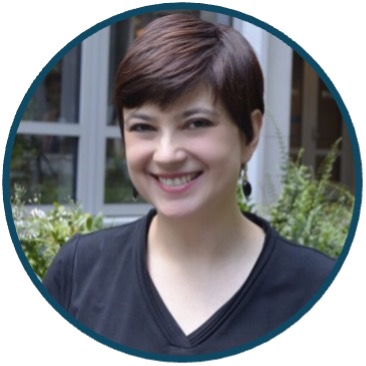
KATYA RASCOVSKY, PHD
Dr. Rascovsky is a clinical neuropsychologist and Associate Professor of Neurology at the University of Pennsylvania Perelman School of Medicine. She was born and raised in Colombia and has broad experience in the diagnosis and assessment of Latino dementia patients both in Latin America and the US. She co-directs an initiative to translate, adapt and validate the clinical and cognitive modules of the Uniform Data Set (UDSv-4) for use in Spanish-speaking Latino populations. She also serves as lead Spanish neuropsychologist for the Multi-Ethnic Study of Atherosclerosis (MESA) Multisite Study of AD (MESA-MIND) and is a co-investigator for the Penn Alzheimer’s Disease Research Center (ADRC). Dr. Rascovsky’s research also focuses on the cognitive and behavioral characteristics of Frontotemporal Degeneration (FTD); she currently works with the Penn Frontotemporal Dementia Center (PFTC) and the ARTFL-LEFFTDS Longitudinal Frontotemporal Lobar Degeneration (ALLFTD) consortium.
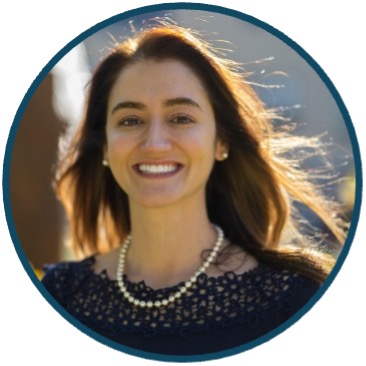
LILIANA RAMIREZ-GOMEZ, MD
Dr. Ramirez Gomez is an Assistant Professor at Harvard Medical School, a senior Clinical Neurologist, and the Associate Chief of the Memory Disorders Division at Mass General Brigham (MGB). She is also the co-director of the Alzheimer’s Therapeutic Program at MGB. Dr. Ramirez Gomez completed medical school at the University of Antioquia in Medellin, Colombia, and her neurology residency at the University of Southern California (USC) Keck School of Medicine. After residency, Dr. Ramirez Gomez completed a Cognitive and Behavioral Neurology fellowship at USC’s Memory and Aging Center. At MGH, Dr. Ramirez Gomez created a comprehensive neurology clinic focused on providing culturally sensitive care for Spanish-speaking patients. Dr. Ramirez Gomez is part of the Multicultural Alzheimer’s Prevention Program (MAPP) and the Massachusetts Alzheimer’s Disease Research Center (MADRC). Her research goals are to identify preclinical biomarkers for Alzheimer’s Disease (AD) and related dementias (AD/ADRD) and find ways to better assist underserved Spanish-language people with dementia, including patients and their caregivers.
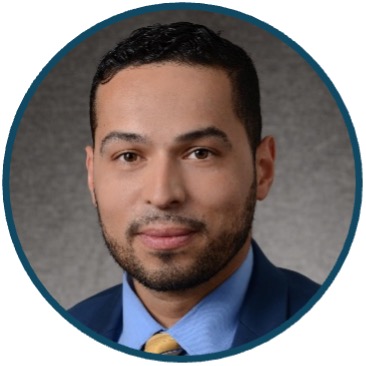
LUIS D. MEDINA, PHD
Dr. Medina is a clinical neuropsychologist and researcher focused on advancing brain health equity in culturally and linguistically diverse communities, with a particular emphasis on aging and Alzheimer’s disease. Dr. Medina’s work sits at the intersection of clinical neuropsychology, cultural neuroscience, and community-engaged research, to examine how culture, language, and lived experience shape cognitive assessment and diagnosis.
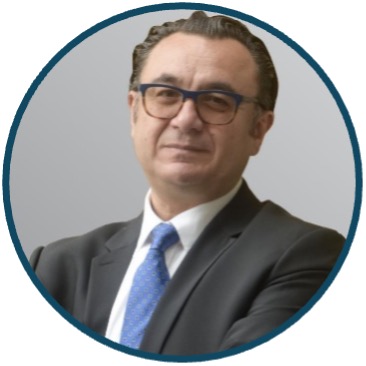
MALAZ A. BOUSTANI, MD, MPH Dr. Boustani, is a geriatrician, a neuroscientist, and implementation scientist with a goal of using insights from behavioral economics, complexity science, and network science to develop, implement and distribute an innovative, sustainable and scalable “Blue Print” of the 21st Century learning Academic healthcare delivery system. Such an agile social organization will be able to reduce the 17-year cycle of developing and translating innovative, cost effective, and scalable medical innovations. At the same time, the learning system will be capable of delivering personalized, evidence-based, and valued healthcare with a great experience for clinicians, learners, and patients.
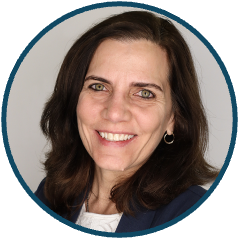
MARIA M. CORRADA-BRAVO, Sc.M, Sc.D
Dr. Corrada-Bravo is a Professor in the Department of Neurology and the Department of Epidemiology & Biostatistics at the University of California, Irvine. She has an undergraduate degree in Biology from the University of Puerto Rico and completed a masters in Biostatistics and a doctorate in Psychiatric Epidemiology at the Johns Hopkins School of Public Health in Baltimore, MD.
Dr. Corrada is multiple PI and co-founder of two major longitudinal studies of the oldest-old: The 90+ Study, an epidemiological study of aging and dementia in more than 2,000 people aged 90 years and older in Southern California and Life After 90, a life-course study of cognitive impairment in a multiethnic cohort of over 1,500 people aged 90 and older in Northern California. She is also leader of the Oldest-old core at the Alzheimer’s Disease Research Center (ADRC) at UCI.
Her research interests include population-based longitudinal studies, the epidemiology of dementia, identifying factors that correlate with the presence of brain neuropathologies, dementia and cognition in ethnically and racially diverse populations, and in particular understanding the cognitive and physical health of the oldest-old population.

MARÍA EUGENIA MARTÍN, BA
Ms. Martín is a neuropsychologist at Fleni (Buenos Aires, Argentina), with over 20 years of experience in the evaluation and treatment of memory and cognitive disorders in older adults. She is currently a doctoral candidate in Psychology, with a focus on Applied Cognitive Neuroscience, at Universidad Maimónides, where her dissertation examines Cognition Oriented Treatment strategies for Mild Cognitive Impairment. Her work includes the clinical adaptation and implementation of the AgeWISE memory program at Fleni, both in person and via teleneuropsychology. She has also participated in research initiatives including ADNI, DIAN, LatAm FINGERS, and the SuperAgers project. This presentation shares Fleni’s experience adapting AgeWISE, an evidence-based, group-format memory and psychoeducation program, for Argentine older adults, first through a teleneuropsychology model during COVID-19, and now through an ongoing doctoral study combining Cognition Oriented Treatment with in-person group intervention.
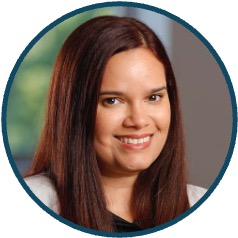
MARIA QUIÑONES-CORDERO, PHD
Dr. Quiñones-Cordero is an Assistant Professor of Clinical Nursing at the University of Rochester and holds a doctorate in clinical psychology. She is Lead of the Hispanic/Latino Engagement Core and Associate Director of Center Activities at the Elaine Hubbard Center for Nursing Research on Aging. Her research focuses on developing and culturally adapting evidence-based interventions to reduce Latino health disparities and improve cognitive and mental health outcomes. Her current work centers on Latino dementia caregivers, with an emphasis on culturally responsive approaches to intervention development and delivery. She also investigates mechanisms linking cognition, inflammation, and mental health symptoms in middle-aged and older adults, with the goal of developing interventions that improve cognitive health, mental health, and quality of life among Latino populations.
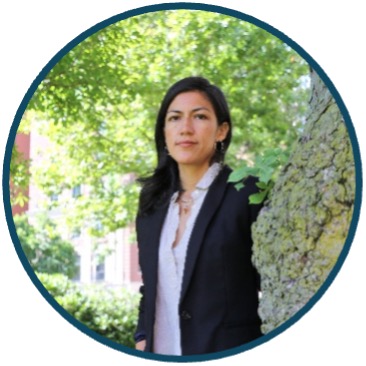
MARCIA PESCADOR JIMENEZ, PHD
Dr. Pescador Jimenez is an Associate Professor in the Department of Epidemiology at the Boston University School of Public Health. Her multidisciplinary research focuses on environmental epidemiology, life-course approaches, health disparities, and aging. Her work examines how features of the natural and built environment influence Alzheimer’s disease and related dementias (ADRD), using innovative measures of greenspace and urban environments derived from deep learning algorithms and street-view imagery. She has extensive experience working with large population-based cohort studies, including the Reasons for Geographic and Racial Differences in Stroke (REGARDS), Nurses’ Health Studies, Health and Retirement Study, and Multi-Ethnic Study of Atherosclerosis. She is the principal investigator of two NIH R01 grants and an Alzheimer’s Association Research Grant investigating how multiple environmental exposures, as part of the external exposome, may influence ADRD risk factors across diverse cohorts.
MIGUEL ARCE RENTERÍA, PHD
Dr. Arce Rentería is an Assistant Professor of Neuropsychology at the Taub Institute for Research on Alzheimer’s Disease and the Aging Brain and the Department of Neurology at the Columbia University Medical Center. Dr. Arce’s research focuses on determining factors of reserve and resilience to cognitive aging and Alzheimer’s disease and related dementias (ADRD) among racial/ethnic minorities both within the United States and abroad, with an emphasis on understanding the role of bilingualism. Dr. Arce is also involved in outreach efforts to engage with diverse communities in ADRD research. He is the director of the Outreach, Recruitment, and Engagement (ORE) Core for Columbia University’s Alzheimer’s Disease Research Center (ADRC).
MÓNICA ROSSELLI, PHD
Dr. Rosselli is a Professor of Neuropsychology and an Associate Chair of the Department of Psychology at Florida Atlantic University, Davie, Florida. She is the director of the FAU Neuropsychology Lab and an investigator of the 1Florida Alzheimer’s Disease Research Center. She has published numerous research articles on cross-cultural neuropsychology and brain biomarkers in typical and atypical aging, as well as changes in cognitive function and brain reserve associated with bilingualism. Her research has been supported by the National Institute on Aging and the Florida Department of Health. She received the Lifetime Achievement Award from the Hispanic Neuropsychological Society and is the Past President of the Latin American Association of Neuropsychology.
TIM CHANG, M.D, PHD
Associate Professor, Neurology and Interdepartmental Bioinformatics Program, UCLA Dr. Chang received his bachelor’s degree from Stanford University, an M.D. and Ph.D from the University of Wisconsin, Madison. He completed residency in Neurology and fellowship training in Movement Disorders at UCLA. During his fellowship training, Dr. Chang completed a postdoctoral research fellowship in genetics before being appointed Assistant Professor of Neurology at UCLA. His clinical expertise focuses on Alzheimer’s disease and related dementia, and movement disorders including atypical Parkinsonian disorders such as Progressive Supranuclear Palsy. Dr. Chang’s research laboratory integrates genomics, electronic health records, and artificial intelligence to realize precision medicine for neurodegenerative dementias. Their goal is to ensure advances are applicable and available across all populations.

XINSONG DU, PHD
Brigham and Women’s Hospital, Harvard Medical School
Dr. Du is a biomedical informatician whose research applies cutting-edge AI techniques to identify novel risk factors and biomarkers for dementia and predict early cognitive decline in older adults. He holds a bachelor’s degree in Electrical Engineering, a master’s degree in Electrical and Computer Engineering, and a PhD in Biomedical Informatics. Dr. Du’s recent work has been featured on the covers of leading journals, including The Lancet eBioMedicine, and highlighted as an Editor’s Choice by the Journal of the American Medical Informatics Association (JAMIA). He serves as Associate Editor for the Journal of Translational Medicine and has reviewed for more than 20 top-tier journals, including JAMA Neurology, JAMA Pediatrics, and JAMIA.
Speakers Selected from Abstract Submissions
ALEJANDRO GUERRERO NARANJO, MD
Dr. Guerrero Naranjo is a Physician-Researcher at the Grupo de Neurociencias de Antioquia (GNA), Universidad de Antioquia, Colombia. His interests include clinical research in Alzheimer’s disease, prevention trials and observational studies investigating biomarkers and protective factors in neurodegenerative diseases. He is also a lecturer at the Faculty of Medicine, Universidad de Antioquia.
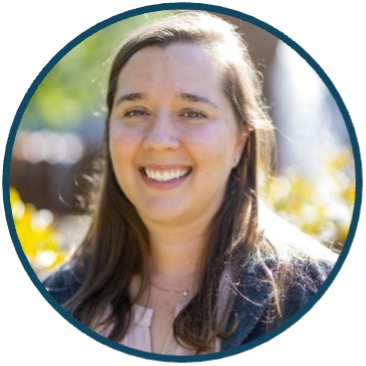
AVERI GIUDICESSI, MS
Ms. Giudicessi is a fifth-year doctoral student in the clinical psychology program at Boston University (BU), where she is co-mentored by Dr. Yakeel Quiroz and Dr. Alice Cronin-Golomb. She is currently completing her pre-doctoral internship at The Warren Alpert Medical School of Brown University. Broadly, her research interests include sex differences in aging populations and how reproductive factors unique to women may be related to higher rates of AD and dementia in women. In 2024, she was awarded an NINDS F31 grant to examine the sex-specific effects on white matter integrity and brain function in autosomal dominant Alzheimer’s disease and vascular dementia.
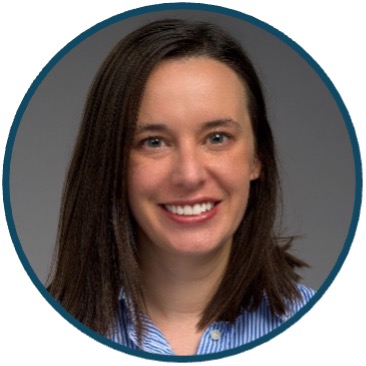
BRITTNEY LANGE-MAIA, PHD, MPH
Dr. Lange-Maia is an epidemiologist with specific research interests in the epidemiology of aging. She is an Assistant Professor at the Rush Alzheimer’s Disease Center and in the Department of Family and Preventive Medicine. She is also the core leader for Outreach, Recruitment, and Engagement for the Rush ADRC. She earned her PhD in epidemiology and Masters in Public Health at the University of Pittsburgh before joining Rush as a postdoctoral researcher in 2015. Her research primarily focuses on characterizing longitudinal changes in physical and motor function as well as the development of disability in late-life. Dr. Lange-Maia is interested in identifying risk factors for early decline and disparities in both physical and motor function and other age-related outcomes, including cognitive decline. She is a fellow of the American College of Sports Medicine (ACSM), and chairs the Exercise is Medicine committee on Underserved and Community Health for ACSM.
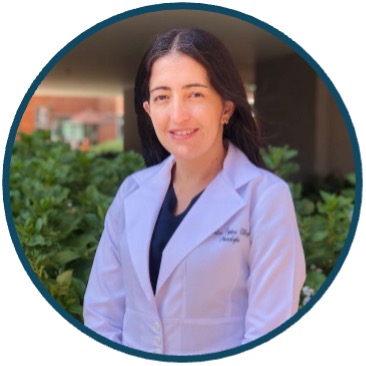
CAROLINA OSPINA V., MD
Dr. Ospina is a neurologist, graduated from the Universidad de Antioquia (Colombia). She completed a Postdoctoral Fellowship in Neurodegeneration at Yale University. She has 6 years of clinical experience focused on neurodegenerative diseases and is a member of the Grupo de Neurociencias de Antioquia. Dr. Ospina is committed to improving the quality of life of her patients through evidence-based, compassionate neurological care.
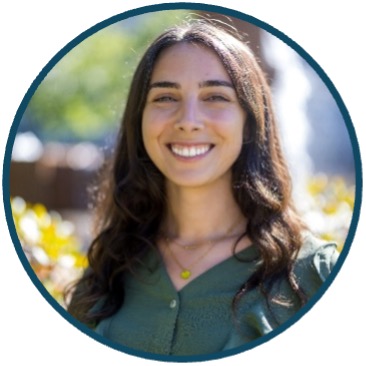
CATARINA TRISTÃO-PEREIRA, PHD
Dr. Tristão-Pereira is a postdoctoral researcher in the Multicultural Assessment Prevention & Protection (MAPP) Lab at Boston University and her research focuses on characterizing the imaging phenotypes of autosomal dominant Alzheimer’s disease in the Colombian kindred.

DAVID X. MARQUEZ, PHD
Dr. Marquez earned a doctoral degree in kinesiology from the University of Illinois at Urbana-Champaign and a bachelor’s degree in psychology from Loyola University Chicago. He is a Professor and Department Head of Kinesiology and Nutrition and Director of the Exercise Psychology Laboratory at the University of Illinois Chicago (UIC). He is also Leader of the Latino Core of the Rush Alzheimer’s Disease Center. His research focuses on reducing health disparities and primarily focuses on older Latino adults. He served as one of 17 experts on the 2018 Federal Physical Activity Guidelines Advisory Committee; and was a member of the President’s Council on Sports, Fitness & Nutrition (PCSFN) to inform the development of the Physical Activity Guidelines Midcourse Report on older adults. In addition, he served on the 2018-2023 CDC Healthy Brain Initiative Road Map Leadership Committee, and again on the committee for the 2023-2028 CDC Healthy Brain Initiative Road Map. He has been involved with many federally-funded, interdisciplinary, randomized controlled trials (RCTs) examining the cognitive, functional, and psychosocial changes as a result of physical activity interventions. The BAILAMOS dance program he co-created is at the heart of his work. Dr. Marquez is a fellow of the Society of Behavioral Medicine, the Gerontological Society of America, the American College of Sports Medicine, and the National Academy of Kinesiology.
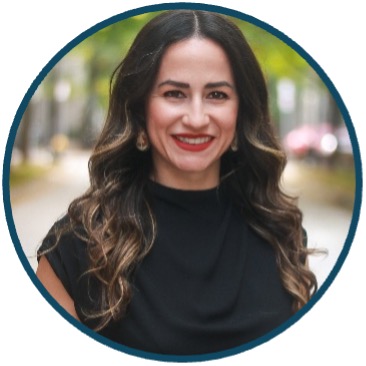
EDMARIE GUZMÁN-VÉLEZ, PhD
Dr. Guzmán-Vélez is a licensed neuropsychologist and Assistant Professor in the Department of Neurology at the Robert Wood Johnson Medical School and a Resident Member of the Institute for Health (IFH) Center for Health Aging Research (CHAR). She earned her bachelor’s degree in Psychology from the University of Puerto Rico–Río Piedras, her Ph.D. in Clinical Psychology with a specialization in Neuropsychology from the University of Iowa, and her postdoctoral fellowship in the Multicultural Alzheimer Prevention Program at Massachusetts General Hospital (MGH) and Harvard Medical School. Prior to joining Rutgers in October of 2025, she was an Assistant Professor at Harvard Medical School and MGH, where she investigated how physical activity and fitness related to the progression of preclinical Alzheimer’s disease (AD), as well as the neurological impact and dementia risk associated with long COVID. At Rutgers University, Dr. Guzmán-Vélez has been directing a research program focused on culturally-sensitive, interdisciplinary observational and intervention studies. Her work seeks to understand the biological, lifestyle, and social factors that influence brain health and risk for dementia across the lifespan.

G. ADRIANA PEREZ, PhD, CRNP, ANP-BC, FAAN, FGSA
Dr. Perez is an Adult Primary Care Nurse Practitioner and the inaugural Leonard A. Lauder Community Care Nurse Practitioner Chair at the University of Pennsylvania School of Nursing. She serves as Co-Director of the Research Education Core at the Center for Improving Care for the Aging, Penn’s RCMAR at the Leonard Davis Institute of Health Economics.
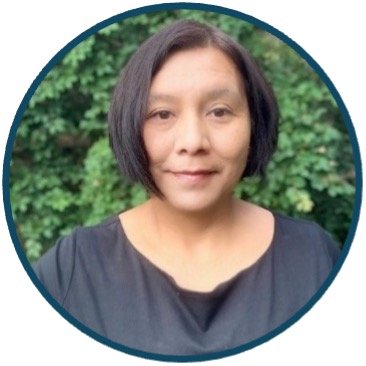
JASMINE SANTOYO-OLSSON, DrPH, MSc
Dr. Santoyo-Olsson, is an Assistant Professor in the Division of Geriatrics at the University of California, San Francisco, with a background in behavioral research. Her research focuses on understanding and addressing the medical, financial, and legal planning needs of people living with serious illness and their caregivers, particularly those from marginalized and geographically isolated communities. She develops and tests community-engaged, caregiver-centered interventions to support families with surrogate decision-making, navigating complex health and social service systems, and planning across the dementia care trajectory.
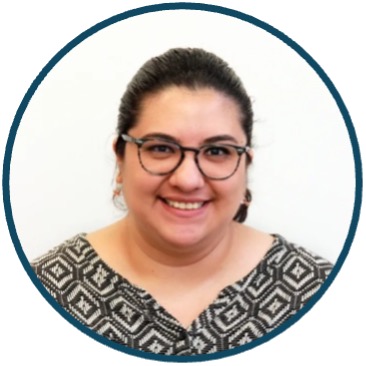
LESLEY A. GUAREÑA, M.A
Ms. Guareña is a doctoral candidate in the Clinical Psychology (Neuropsychology) program at the University of Arizona. Her research centers on neuropsychology, cognitive aging, and brain health equity, with a particular focus on stress-related mechanisms that contribute to cognitive decline and dementia risk. She investigates how psychosocial stress and physiological stress markers—such as diurnal cortisol patterns and cardiovascular risk factors—relate to memory and executive functioning outcomes, as well as structural and vascular brain markers. A central theme of her work is understanding how these processes operate within Hispanic/Latino populations compared to non-Hispanic White adults, with the broader goal of reducing disparities in neurocognitive aging.

LINA PINEDA-LÓPEZ, MS
Ms. Pineda-López is a biologist with a Master’s degree in Biology from Universidad de Antioquia. Currently a researcher at the Grupo de Neurociencias de Antioquia (GNA), her work focuses on extracellular vesicles as key indicators of disease progression and pathogenesis in neurodegenerative disorders, with a particular emphasis on familial Alzheimer’s disease.
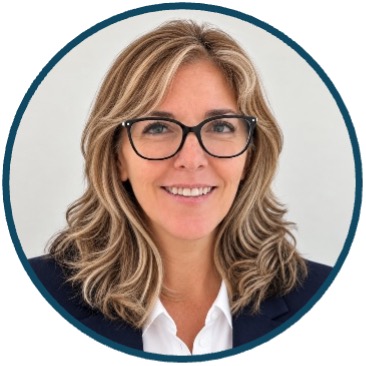
MACARENA JONES, MS, BCBA, RMHCI
Ms. Jones is a doctoral candidate in Clinical Psychology at Albizu University, completing advanced neuropsychology practicum training at Design Neuroscience Center and Mount Sinai’s Wien Center for Alzheimer’s Disease and Memory Disorders. A bilingual (English/Spanish) Chilean-American clinician, she brings a bicultural perspective to her work, integrating her backgrounds as a Board-Certified Behavior Analyst and Registered Mental Health Counselor Intern to deliver lifespan neuropsychological evaluations, cognitive rehabilitation, and evidence-based psychotherapy for anxiety, depression, OCD, and emotional dysregulation. Her research bridges clinical practice and cognitive health, examining blood-based Alzheimer’s disease biomarkers and the relationship between hormone replacement therapy and cognitive performance, comparing ethnic groups at the 1Florida ADRC, and exploring emotional dysregulation as an under-recognized feature of ADHD in her dissertation. Across research and clinical practice, she is dedicated to expanding equitable, culturally responsive neuropsychological and mental health care for Hispanic and Latino individuals and families.
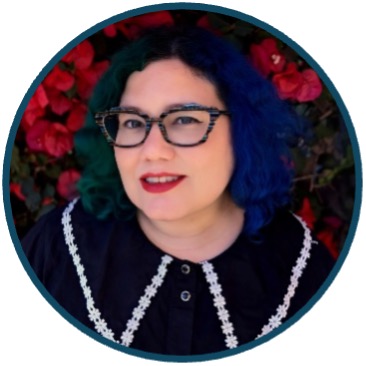
MARIANNE GUTIERREZ, MSN, RN
Ms. Gutierrez is a doctoral candidate at the UCLA Joe C. Wen School of Nursing. She earned her Bachelor´s degree at Charles R. Drew University of Medicine and Science. She has over a decade of healthcare experience, including public health, working for the first COVID-19 public-facing call center and therapeutics telehealth program. Marianne´s experiences as a daughter of immigrants, family caregiver, and healthcare professional working with underserved populations have informed her research interests, particularly the cultural and linguistic needs of Latine communities. Her broader research interests include family caregiving, minoritized youth and college pathways, mental well-being and help-seeking among Latina women. She has also worked as a teaching assistant and fellow in undergraduate and graduate nursing courses. As a 2024-2026 Jonas Scholar, Marianne is committed to research and education that amplify community-rooted knowledge and reimagine equity through cultural insight and lived experience.
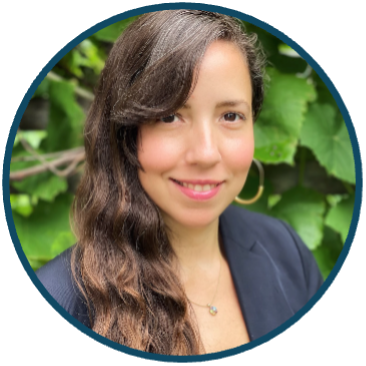
MAYRA ESTRELLA, PHD
Dr. Estrella is an epidemiologist and Assistant Professor at the Rush Alzheimer’s Disease Center and in the Department of Internal Medicine, Section of Community Epidemiology, at Rush University Medical Center. Her research focuses on socioenvironmental and psychosocial determinants of cardiovascular, cognitive, and brain health in middle-aged and older adults, particularly among Hispanic/Latino populations in the U.S. and Puerto Rico. Dr. Estrella earned her PhD in Community Health Sciences from the University of Illinois Chicago and her MPH in Epidemiology from the University of Puerto Rico School of Public Health. She subsequently completed a T32 postdoctoral fellowship in cardiovascular disease epidemiology and related chronic diseases in minority populations at the University of Illinois Chicago. Her NIA K01 Career Development Award examines modifiable protective factors related to healthy cognitive aging among Latinos in the U.S. and Puerto Rico. She also leads the Neurocognitive Ancillary Study to PROSPECT, the Puerto Rico Observational Study of Psychosocial, Environmental, and Chronic Disease Trends, which examines risk and resilience factors related to cognitive aging among middle-aged and adults living in Puerto Rico.

MELISSA LAMAR, PHD
Dr. Lamar is a Professor in the Division of Behavioral Sciences at Rush University Medical Center, and a Clinical Neuropsychologist in the Rush Alzheimer’s Disease Center. She received her PhD in Clinical Neuropsychology from Drexel University and completed her postdoctoral training in cognitive neuroscience within the intramural program of the Laboratory of Behavioral Neurosciences at the National Institute on Aging. She worked at the Institute of Psychiatry King’s College London and the University of Illinois at Chicago prior to joining the Rush faculty in 2016. Her research focuses on modifiable risk and resilience factors as they relate to brain aging and cognition with a particular focus on older Latino and African American adults. Dr. Lamar employs novel geospatial and neuroimaging approaches and incorporates digital technology into her work assessing cognitive functioning. The overarching goal of her work is to identify modifiable risk and resilience factors to reduce health disparities and increase health equity. Dr. Lamar has published extensively, is the PI of several NIH grants, and has received numerous honors and awards for her work including Fellows status of the American Psychological Association and the Arthur Benton Award for Mid-Career Research from the International Neuropsychological Society, as well as from the International Society to Advance Alzheimer’s Research and Treatment’s Diversity and Disparities Professional Interest Area.
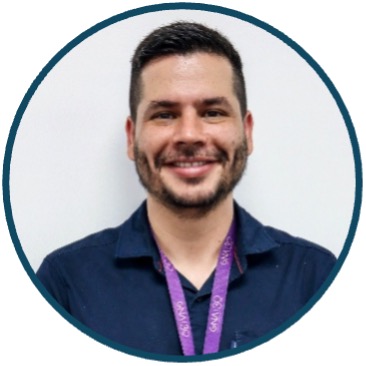
RAFAEL POSADA-DUQUE, PHD
Dr. Posada-Duque is a neuroscientist and Principal Investigator of the Cellular Neurophysiology Laboratory at the Neuroscience Group of Antioquia, University of Antioquia, Colombia. His research focuses on the cellular and molecular mechanisms underlying Alzheimer’s disease and cerebral small vessel diseases, with particular interest in neurovascular dysfunction, glial biology, and extracellular vesicles. His work integrates human cohorts, postmortem brain tissue, cellular models, and molecular approaches to identify mechanisms of disease in neurological disorders.
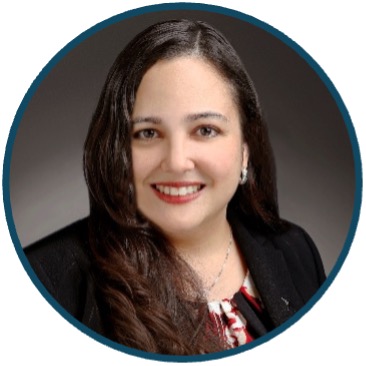
SARAH YVONNE JIMENEZ, PHD, RN
Dr. Jimenez is an Assistant Professor of Nursing at The University of Texas at El Paso and a researcher dedicated to advancing dementia care. Her work focuses on supporting family and professional caregivers of individuals living with Alzheimer’s disease and related dementias through education, advocacy, and evidence-based interventions.
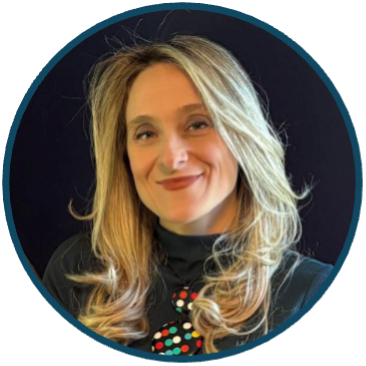
SHARON SANZ SIMON, PHD
Dr. Sanz Simon is a neuropsychologist and Assistant Professor of Psychiatry at Rutgers New Jersey Medical School and core faculty at the Krieger Klein Alzheimer’s Research Center. Her research focuses on factors that promote resilience to cognitive aging and Alzheimer’s disease and related dementias in diverse and underserved populations, particularly Brazilian-Latino communities and midlife women. She leads the BRAINY-NJ Study, examining dementia risk and protective factors among U.S. Brazilians, as well as NIA-funded research on cognitive training in older adults and exercise interventions for postmenopausal women. She also collaborates on aging research in Afro-Brazilian Quilombola communities and develops culturally tailored interventions to promote brain health and dementia prevention.
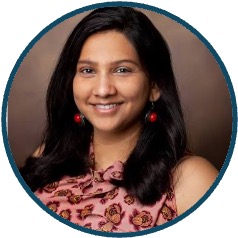
SRISHTI NAYAK, PHD
Dr. Nayak is an Assistant Professor (tenure-track), Vanderbilt University Medical Center in the Departments of Otolaryngology-Head & Neck Surgery and Psychology and Human Development. She is a multidisciplinary scientist of human communication, trained in a range of disciplines including developmental science, cognitive (neuro)science, human genomics, biomedical informatics, and communication sciences and disorders. She is the PI of the Behavior, Health, Speech and Hearing (BHaSHa) research group at Vanderbilt and co-directs the interdisciplinary Vanderbilt Music Cognition Lab. Her research is funded by grants from the NIH National Institute on Deafness and Other Communication Disorders, and investigates connections between human musicality, language, and mental, physical, and brain health, using population health and biomedical informatics approaches. Dr. Nayak was awarded a Vanderbilt University Chancellor’s Award for Research in 2026 for her interdisciplinary work establishing musical rhythm impairments as a biobehavioral correlate of language disorders. She currently investigates multiple facets of patients’ language profiles as risk and resilience factors for mental and neurological health outcomes, including a focus on bilingualism and multilingualism.
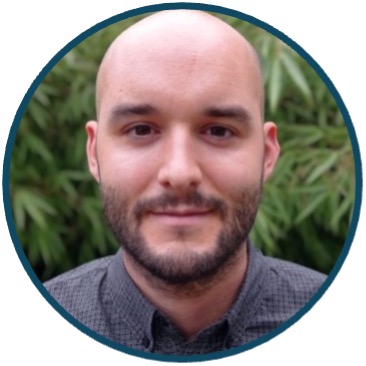
VINCENT MALOTAUX, PHD
Vincent Malotaux is a Postdoctoral Research Fellow in the Department of Psychological & Brain Sciences at Boston University’s Multicultural Alzheimer’s Prevention & Protection Lab, led by Dr. Yakeel Quiroz. His research uses plasma biomarkers and multimodal brain imaging to characterize genetically at-risk populations, including work on the APOE3 Christchurch mutation as a candidate protective variant against Alzheimer’s disease.
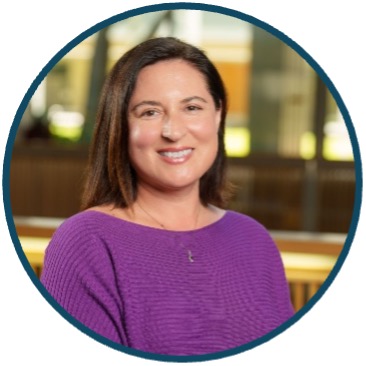
ZVINKA ZLATAR, PHD Dr. Zlatar completed her doctoral training in clinical psychology at the University of Florida and her clinical internship at the University of California, Los Angeles. She then completed a postdoctoral fellowship at the University of California, San Diego, where she is currently a faculty member. Her research program seeks to reduce ADRD risk by developing novel, free living, digital health interventions that target modifiable lifestyle factors such as physical activity and sedentary time, while investigating how they affect brain health. Her research also focuses on early detection of ADRD in Hispanic middle aged and older adults and helping to increase their representation in clinical research.
Rapid-Fire Presentation Speakers
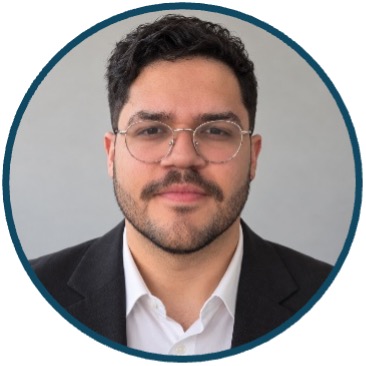
ALEX L. BADILLO CABRERA, BA
Alex Leonardo Badillo Cabrera is a doctoral student in Clinical Psychology at Louisiana State University, where he works under the mentorship of Dr. Matthew Calamia and is pursuing the clinical neuropsychology track. His research focuses on cognitive assessment and cognitive decline among ethnoracially diverse older adults, with particular interest in Latino and bilingual populations. He is especially interested in how sociocultural and educational factors may influence cognitive performance and dementia risk. His broader goals are to improve the cultural and linguistic validity of neuropsychological assessment and expand access to appropriate services for Latino communities.
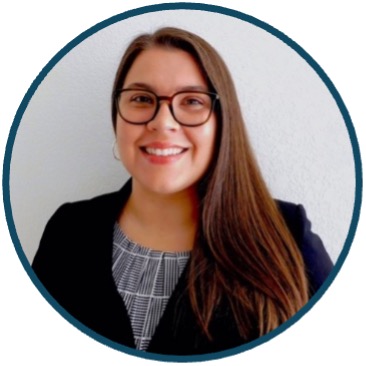
ALEXANDRA HERNANDEZ-VALLANT, PHD
Dr. Alexandra Hernandez-Vallant is currently a postdoctoral fellow at Brown University’s Health Neuropsychology Program and The Warren Alpert Medical School of Brown University’s Department of Psychiatry. She completed her predoctoral internship at the University of Illinois Chicago (UIC) College of Medicine, Department of Psychiatry and earned her Doctor of Philosophy in Clinical Psychology at the University of New Mexico. Her program of research includes (1) applying implementation science and mixed methodology to increase the equitable provision of neuropsychological and psychological services across diverse populations and contexts; (2) examining the influence of social determinants of health on outcomes across clinical populations; and (3) developing and/or adapting interventions and service models for underserved populations.
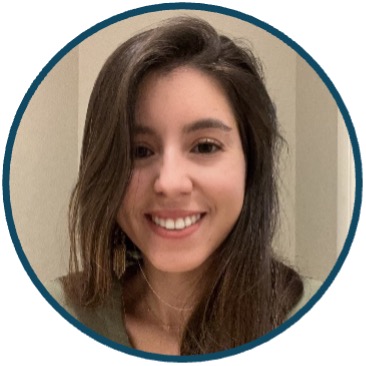
ALICIA GOYTIZOLO, BA
Alicia Goytizolo is a Ph.D. student in Psychology at Florida Atlantic University under the mentorship of Dr. Mónica Rosselli. Her research focuses on normal and pathological cognitive aging, including Alzheimer’s disease and related dementias, within culturally and linguistically diverse populations. Her work examines the role of sociocultural factors, including acculturation, bilingualism, education, and socioeconomic status, as well as biological markers associated with cognitive aging and decline.
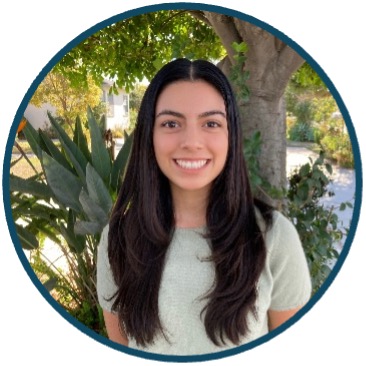
AMANDA I. GONZALEZ, MA
Amanda is a second-year doctoral student in the clinical psychology program at Boston University where she is mentored by Dr. Yakeel Quiroz. She completed her bachelor’s degrees at UC San Diego with majors in Cognitive Behavioral Neuroscience and Psychology with a minor in Biology. Prior to becoming a student at BU, she worked as a Research Coordinator at UC San Diego Health. Her research interests include early detection of dementia and characterization of preclinical Alzheimer’s disease. She is also especially interested in utilizing cardiovascular and MRI biomarker profiling to assess risk for cognitive decline.
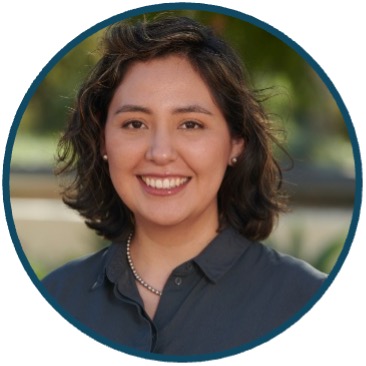
PALOMA ROJAS-SAUNERO, PHD
Dr. L. Paloma Rojas Saunero is a physician epidemiologist at UCLA and incoming faculty at Pitt Public Health’s Department of Epidemiology. Her research advances health equity in aging by integrating causal inference methods into longitudinal studies to clarify etiological pathways, quantify disparities, and identify actionable targets to reduce the burden of dementia and other aging-related conditions.
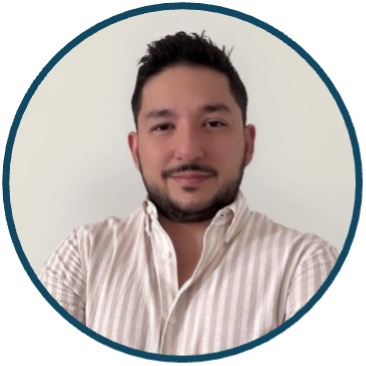
SAID AREVALO, PHD Dr. Arevalo is a faculty instructor in the Department of Ophthalmology at Mass Eye and Ear and Harvard Medical School. He earned his PhD in biosciences and his BS in Chemical Engineering from the Universidad de La Sabana in Colombia. His research focuses on the contribution of vascular dysfunction to blinding and neurodegenerative diseases. His work includes identifying molecular mechanisms and developing novel therapeutics to restore vascular homeostasis. The presentation will explore the role of RUNX1 as a driver of cerebrovascular pathology in CADASIL and Familial Alzheimer’s disease (AD) and will provide proof of principle for pharmacologic inhibition of RUNX1 in mouse models of CADASIL and AD, restoring vascular structure and reducing inflammatory microglial-vascular interactions.
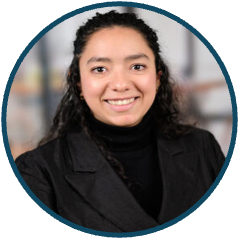
SKARLETH CARDENAS ROMERO, PHD
Dr. Cardenas Romero is a Postdoctoral Research Fellow in the Department of Neurology at Beth Israel Deaconess Medical Center and Harvard Medical School. She earned her PhD and MS in Biomedical Sciences and her BS in Bioprocess Engineering from the Universidad Autónoma de San Luis Potosí in Mexico. Her research focuses on understanding the molecular mechanisms that contribute to neurodegenerative diseases, particularly Alzheimer’s disease. Her current work investigates how lysosomal dysfunction, protein palmitoylation, autophagy, and lipid remodeling influence amyloid-β metabolism and neurodegeneration. Using human iPSC-derived neuronal models, transgenic mouse models, and multi-omics approaches, she aims to identify molecular pathways that can be targeted to improve protein clearance and reduce Alzheimer’s disease pathology.